
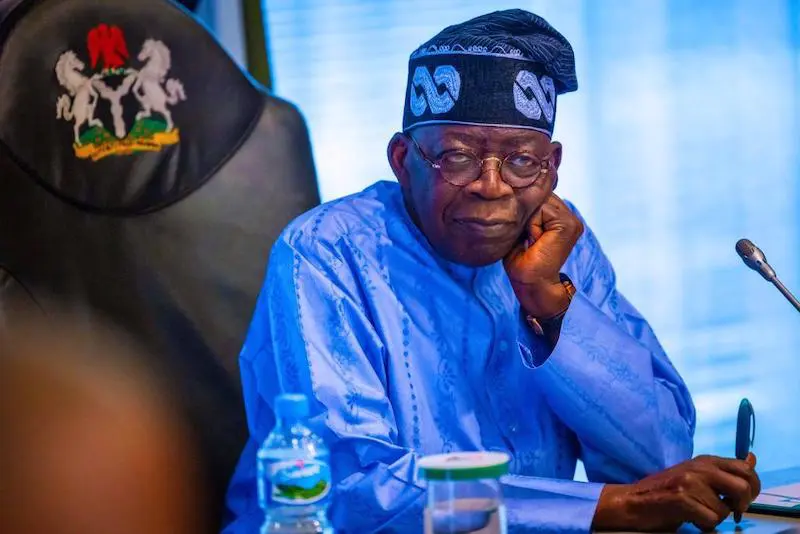
A prominent Nigerian legal practitioner and human rights advocate has issued a scathing open letter to President Bola Ahmed Tinubu, calling for an immediate reversal of Nigeria’s newly announced security cooperation with Israel.
The letter, written by Atta A. Rasheed K., a Master of Laws (LLM) student at Usmanu Danfodiyo University in Sokoto, warns that the security pact undermines Nigeria’s longstanding foreign policy values and places the country on “the wrong side of history” amid growing international condemnation of Israel’s actions in Gaza.
Rasheed’s intervention comes in the wake of high-level bilateral talks held on August 11, 2025, between Israel’s Deputy Foreign Minister and Nigeria’s Minister of State for Foreign Affairs, Bianca Odumegwu-Ojukwu. The two countries reportedly agreed to deepen security collaboration, including intelligence sharing, counter-terrorism, and military technology exchange.
The meeting has since attracted criticism from multiple quarters, including religious groups and civil society organizations, who argue that closer ties with Israel are morally and diplomatically untenable, particularly at a time when Israel stands accused of grave breaches of international law.
In his letter, Rasheed recalled Nigeria’s historical position as a voice for the oppressed, citing the country’s prominent role in opposing apartheid in South Africa, leading peace efforts in Liberia and Sierra Leone, and defending democracy in The Gambia.
He argued that aligning with Israel—a state accused by numerous human rights organizations and international observers of apartheid, aggression, and, most recently, acts of genocide—would tarnish that legacy.
“Nigeria has always stood on the side of justice,” he wrote. “To side with Israel today, a state that has no regard for our shared humanity, is to stand on the wrong side of history.”
The open letter draws extensively on developments at the International Court of Justice (ICJ) and the International Criminal Court (ICC).
On January 26, 2024, the ICJ issued provisional measures ordering Israel to take steps to prevent acts of genocide in Gaza, to allow humanitarian aid, and to avoid incitement. Though the court stopped short of declaring that genocide was definitively taking place, its orders are legally binding and have added to the weight of international pressure on Israel. Later, in November 2024, the ICC issued arrest warrants for Israeli Prime Minister Benjamin Netanyahu and former Defense Minister Yoav Gallant, citing war crimes and crimes against humanity.
Rasheed argued that any deepened ties with a government facing such serious charges would amount to complicity, especially for a state like Nigeria, which is a party to the Rome Statute and the Genocide Convention.
The author also invokes Nigeria’s own historical experience with Israel, specifically during the Biafran War (1967–1970). He referenced declassified records showing that Israel provided covert military support to the Biafran secessionist movement, an act that prompted General Yakubu Gowon’s administration to sever diplomatic relations with Israel in 1973.
“To now entrust Israel with sensitive aspects of our national security disregards that painful history,” Rasheed warned, highlighting the irony of renewing such ties under the watch of Ojukwu’s widow, who now serves in a senior diplomatic role.
Compounding concerns about the timing of the renewed engagement, the letter raised alarm over the recent disappearance of Ramzi Abu Ibrahim, a Palestinian-Nigerian who has lived in the country peacefully for 35 years. Ibrahim was reportedly arrested shortly after the Abuja meeting between Nigerian and Israeli officials and has since been held incommunicado.
Rasheed implied a disturbing connection between Israel’s security footprint in Nigeria and the suppression of dissenting voices, particularly those sympathetic to the Palestinian cause. “The sequence is too striking to dismiss,” he wrote, suggesting a continuity of destabilization dating back to the civil war era.
In the letter’s closing paragraphs, Rasheed issued a direct appeal to President Tinubu, urging him to reconsider Nigeria’s current trajectory. He called on the President to cancel the proposed security pact, order the immediate release of Ramzi Abu Ibrahim and others allegedly detained on political grounds, and reaffirm Nigeria’s commitment to justice, peace, and international law. “History will not forget the choices made under your leadership,” he wrote. “Nigeria must not be remembered as a nation that chose expediency over conscience.”
As of press time, there has been no official response from the Nigerian presidency regarding the concerns raised. However, the federal government has previously defended the partnership, with statements noting that bilateral cooperation with Israel is aimed at strengthening national security and counterterrorism capabilities. The backlash nonetheless continues to grow, with peaceful protests reported in cities like Ibadan, where religious leaders and activists have condemned the pact and expressed solidarity with the Palestinian people.
The controversy highlights the enduring tension between national security objectives and international moral obligations, as well as the potential reputational risks involved in foreign policy decisions made during global humanitarian crises. Whether the Tinubu administration will yield to domestic pressure or double down on its strategic alignment remains to be seen.
For critics like Rasheed, the stakes are clear: what Nigeria does now will shape how it is remembered for generations.
Discover more from News Live Nigeria
Subscribe to get the latest posts sent to your email.